Table Of Content
Additionally, aloe vera is known to prevent skin damage caused by UV rays. It may similarly be able to prevent UV damage in hair, protecting it from growing dry and brittle after sun exposure. People with curly hair will benefit in particular from this protection since this type of hair is more prone to dehydration than straighter hair. There are many benefits of aloe vera for your skin—the succulent does so much more than soothe sunburn. Prepare a fine paste by adding 2 tsp of hibiscus powder to ¼ cup of aloe vera gel. Apply this paste from the middle of your hair strands to the tip.
Aloe Vera Benefits for Skin
You can also add 2 tsp of apple cider vinegar and 1 tsp of honey to 4 tsp of aloe vera gel. Leave it on your scalp for half an hour before washing it off with a mild or herbal shampoo. In this article, we talk about all the benefits of aloe vera for your hair and how to use it for hair growth. So to find out if aloe vera is really is that amazing for your hair, I did some research and consulted the experts. Below, everything you need to know about using aloe vera gel for hair—plus the best hair products with aloe vera to try. The antidote to parched strands is an aloe vera-infused hair mask.
Restores pH Balance On Your Scalp
Chances are, aloe vera is one of the first products you turn to when you’ve spent a little too much time in the sun. But aloe's natural benefits go far beyond soothing sunburned skin. Aloe vera gel can do everything from boost digestive health to moisturize skin—but did you know it also has amazing benefits for your hair? Additionally, Obukowho notes that consumers often forget that hair is dead. If you're looking to heal dandruff or other scalp issues, improve hair growth and boost the overall health of your hair, a product needs to be used directly on the scalp. For example, while an aloe vera-based conditioner may help moisturize your hair, you won't reap the anti-inflammatory benefits or see longer strands.
Styles Your Strands
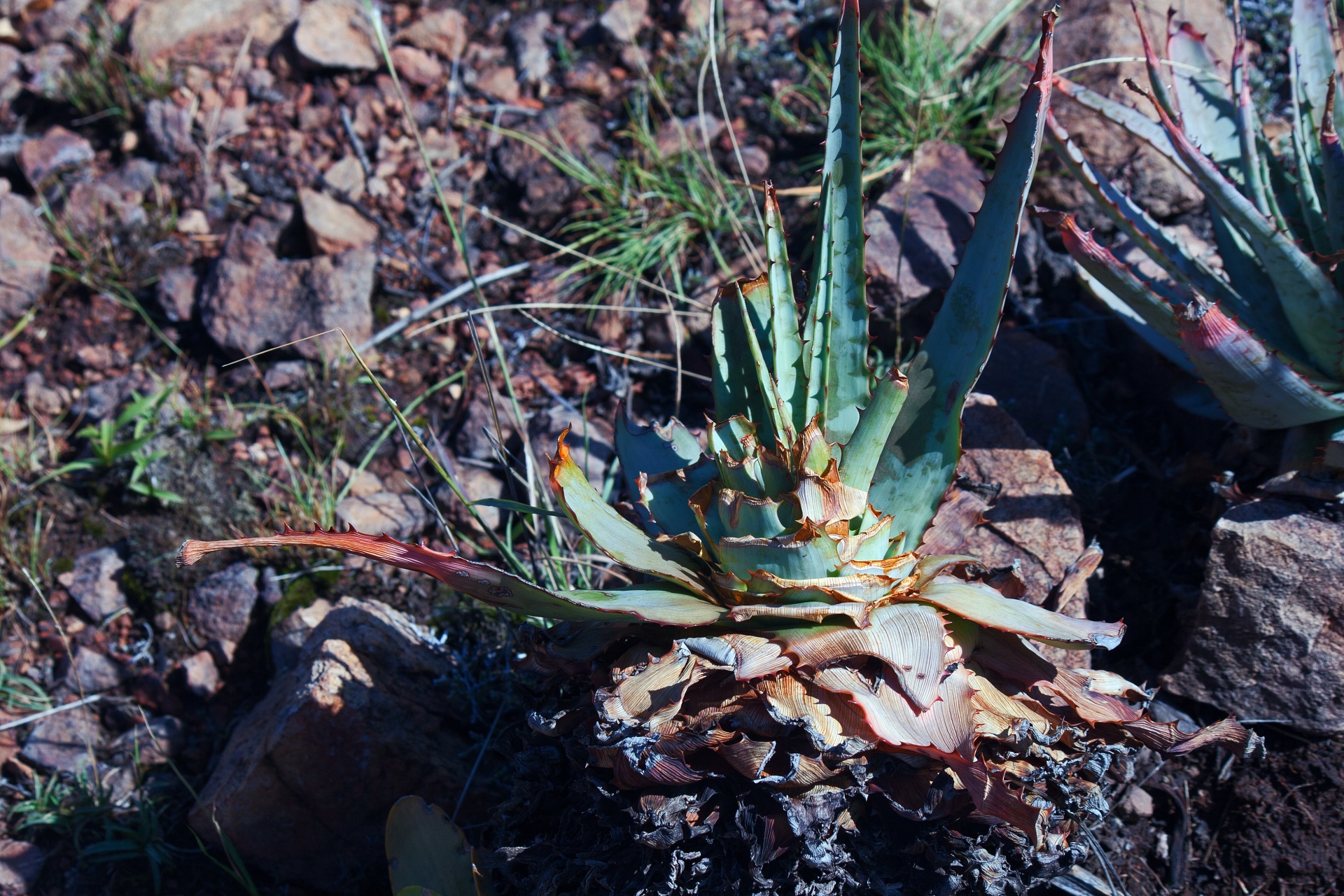
Aloe vera can be applied with topical natural remedies, like pumpkin seed oil and vitamin E oil. If desired, use your hands to work small amounts into the scalp and down the length of the hair strands. There’s usually little cause for concern when using aloe vera gel, but some people are allergic to it. Aloe vera is one of the prettiest plants out there with its striking bright green foliage that springs up from the earth in a starburst-like shape.
Potential Benefits of Aloe Vera for Hair
If you think that's where the list of benefits of aloe vera ends, think again. Aloe vera gel also has anti-inflammatory and antioxidant properties that can be especially beneficial for soothing an itchy, dry scalp. Not only that, but "aloe can also help protect the scalp and hair from damage [caused by] free radicals, like sun exposure and pollution, and protect hair color from becoming oxidized," adds Dr. King. This helps to preserve that fresh-out-of-the-salon vibrancy and enviable softness that continue to top our #hairgoals. "For those who have a dry or flaky scalp, doing aloe vera juice rinses weekly will help promote a healthier scalp and can also reduce itchiness as well," says Lane. Whether you buy a tub of aloe vera gel from the store or purchase a plant and scoop out the gel yourself, you can apply aloe vera directly to your hair to reap the benefits.
The best part is that this Homemade Aloe vera hair masks are different hair problems and can fix any type of damaged hair with consistency and pacience. Personally, Aloe vera gel is a life-savier for my and my itchy dandruff! This gel has saved me a tons of times from suffering a super annoying itchy scalp to get the calming sansation that this plant does on skin. Aloe vera is safe for most healthy adults when applied to the skin. Experts recommend doing a skin spot test with aloe vera before applying it to the scalp and hair.

"It is best to leave it on for a little while — approximately five to 10 minutes — and then rinse as leaving pure aloe vera gel on for too long can lead to potential irritation and dryness." "Aloe is well known for its ability to help provide anti-inflammatory and soothing benefits to the skin, hence why it's so commonly used to help treat sunburn," cosmetic chemist Ron Robinson tells Allure. "It can also hydrate and provide antioxidant benefits. Because of this, it is being used more and more in skin care and hair care." Now that you know the potential benefits of aloe vera for hair, why not give it a shot? All you have to do is take our hair quiz and add the “hydrate” hair goal to any product you want to see in your shower caddy or on your vanity table. Generally, aloe vera is thought to be safe when applied topically.
15 Best Natural Hair Dyes of 2024, Per Hair Experts and Reviews - Cosmopolitan
15 Best Natural Hair Dyes of 2024, Per Hair Experts and Reviews.
Posted: Tue, 20 Feb 2024 08:00:00 GMT [source]
Mix and apply your leave-in conditioner.
Leave it for 2-5 minutes before going for your final hair rinse. Aloe vera isn't new—the plant has been used among many cultures throughout history to address a myriad of beauty-related concerns, thanks to its natural antimicrobial and anti-inflammatory properties. It's the reason aloe vera is commonly used for healing burn wounds and skin irritation, says dermatologist Nava Greenfield, MD. It's also the reason aloe vera can be beneficial for soothing your scalp too. Start hydrating from the first step of your hair care routine with shampoo that contains both coconut oil and aloe vera. Celebs like Kourtney Kardashian and SZA have publicly touted their love for aloe vera and its hair-improving properties.
Are aloe-vera-infused products just as good as fresh aloe?
Aloe Vera Juice Benefits: Don't Believe the Hype - Real Simple
Aloe Vera Juice Benefits: Don't Believe the Hype.
Posted: Wed, 30 Aug 2023 07:00:00 GMT [source]
Research shows that topical application of aloe vera is likely effective for healing burns and helping other skin conditions. Then, decide whether to treat the scalp and hair as a short-term mask or a leave-in treatment. You may consider taking some of the gel into your hands, working it into your scalp and strands, and then leaving it overnight. If your locks feel extra dry, add a few drops of coconut oil or a comparable alternative for added hydration. Many skincare products contain aloe vera as a key ingredient due to the ingredient’s calming and hydrating properties. It may not even be a “featured” ingredient, but still be included in the mix.
More recently, the beloved botanical ingredient has made its way into some of our favorite hair-care formulas. Aloe vera hair products promise shinier, smoother, and glossier results, and tout impressive reparative benefits. When looking for aloe-based products to adds to your hair routine, Lane recommends taking a look at the ingredients list first. Rubbing aloe vera into your scalp and hair and letting it penetrate your hair follicles could condition and improve damaged, dry hair. After letting it sit for an hour, rinse the gel off with a mild shampoo.
This is especially true for fine hair types since you don't want to be stuck with greasy locks post-treatment. If you don't love the texture of aloe vera gel or the fact that you have to wash it off, she recommends several aloe-including products. One of her favorites for after-sun soothing is Sun Bum Cool Down, a lotion that combines aloe and additional vitamin E to relieve sunburnt skin. However, some people do experience allergic reactions, so it is always important to do a “spot test” before extensive use. To do a spot test, apply the product on a small patch of your skin and wait minutes to observe whether there are any negative effects. This will ensure that using an aloe vera treatment will not irritate your scalp.
Aloe vera promotes healthy hair growth thanks to a special enzyme found in aloe called proteolytic enzymes. These enzymes effectively break down dead skin cells on the scalp that may clog hair follicles. If hair follicles are blocked with excess sebum, dirt, or dead skin, they won't be able to grow properly. Aloe can also help cleanse the scalp so more nutrients can penetrate the hair follicle, helping hair grow faster and more efficiently. You can combine aloe vera gel with coconut oil to make a simple yet effective hair mask.
While research has uncovered dozens of potential applications for aloe vera over the last several thousand years, from improving gut health to clearing psoriasis—aloe vera has become especially coveted for hair care. To apply, saturate the hair and scalp with a thin layer of aloe, and let it sit for 20 to 30 minutes before rinsing thoroughly. "No need to shampoo after; just make sure the hair feels like it's completely rinsed and no residue is left behind," says Urban.
Later when your hair becomes stiff, you can wash it off using water or a mild shampoo. Leave it overnight and wash it off using a herbal shampoo the next morning. This works well especially for people with elevated Pitta dosha. More likely is that aloe vera contributes to healthy hair because it conditions and moisturizes the hair and scalp, says Dr. Greenfield. Proper hydration is a must for healthy hair and a skin barrier, but it won't actually speed up the rate at which your hair grows—only a new set of hormones and DNA can do that. All hold, no crunch, this buttery gel locks styles in place without drying hair thanks to its blend of aloe, avocado, sweet almond, and macadamia.
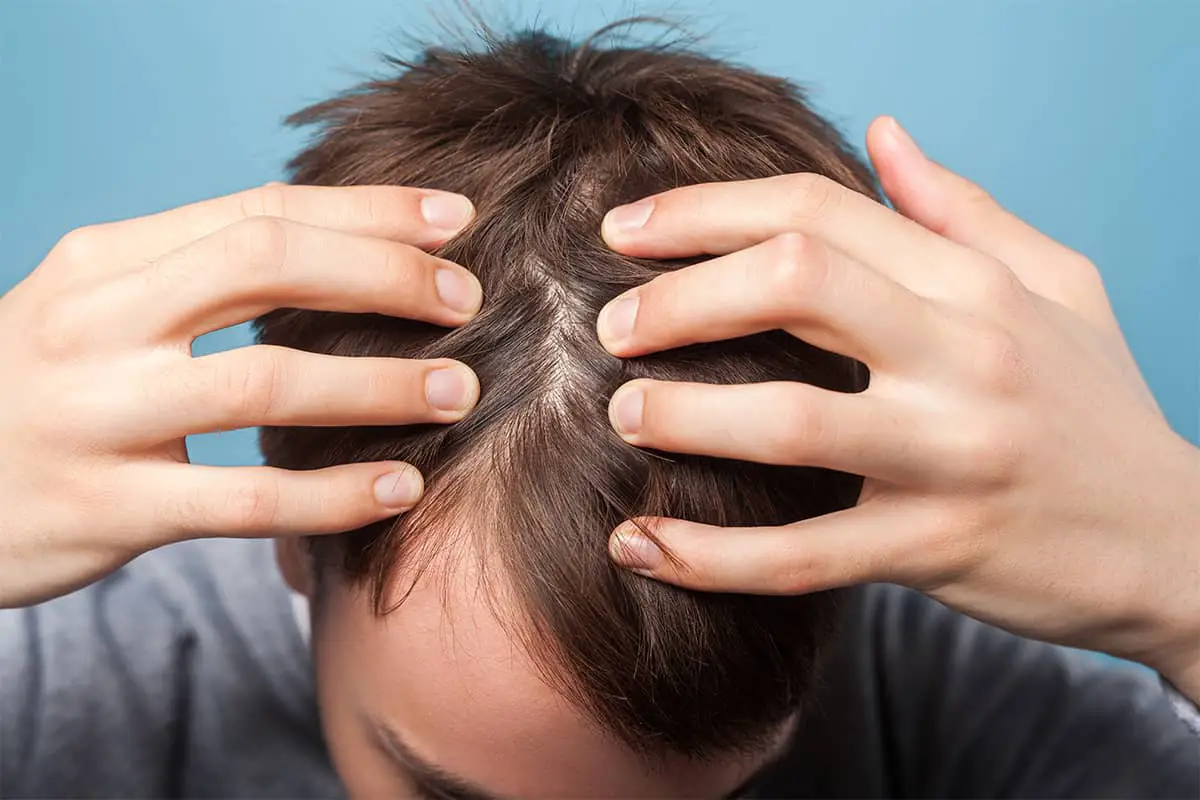
That said, it’s important to remember that the amount of aloe vera in haircare products will vary, so there is no guarantee of results. It’s always best to consult your dermatologist or physician if you think you have seborrheic dermatitis. Scalp issues come in many forms, from itchiness, scaliness, and flakes to scalp sunburn. But with some fresh aloe vera on your side (or an aloe vera-based hair product), you can possibly bid some scalp issues goodbye. To help you weed out the truth from the tall tales, we’ve dived deep into the scientific literature to pull out five potential benefits of aloe vera for hair. So sit back and take notes on what the plant might be able to do for your tresses.
"Since aloe doesn't contain all of the additional parabens, sulfates, and synthetic fragrances in traditional shampoos, it provides a much gentler cleanse that preserves color and keeps hair healthy," says Bonilla. Finding a high-quality product is relatively inexpensive, and in the event that it doesn't work for you, you can always use it on your body because aloe vera has a wealth of benefits beyond hair. There are plenty of people who claim that aloe vera actually causes hair to grow much faster. But as of now, there’s little clinical evidence to prove or disprove those claims. When your scalp has been cleansed and your hair has been conditioned with aloe vera, you might see that hair breakage and loss slows down. All three of these vitamins contribute to cell turnover, promoting healthy cell growth and shiny hair.



No comments:
Post a Comment