Table Of Content
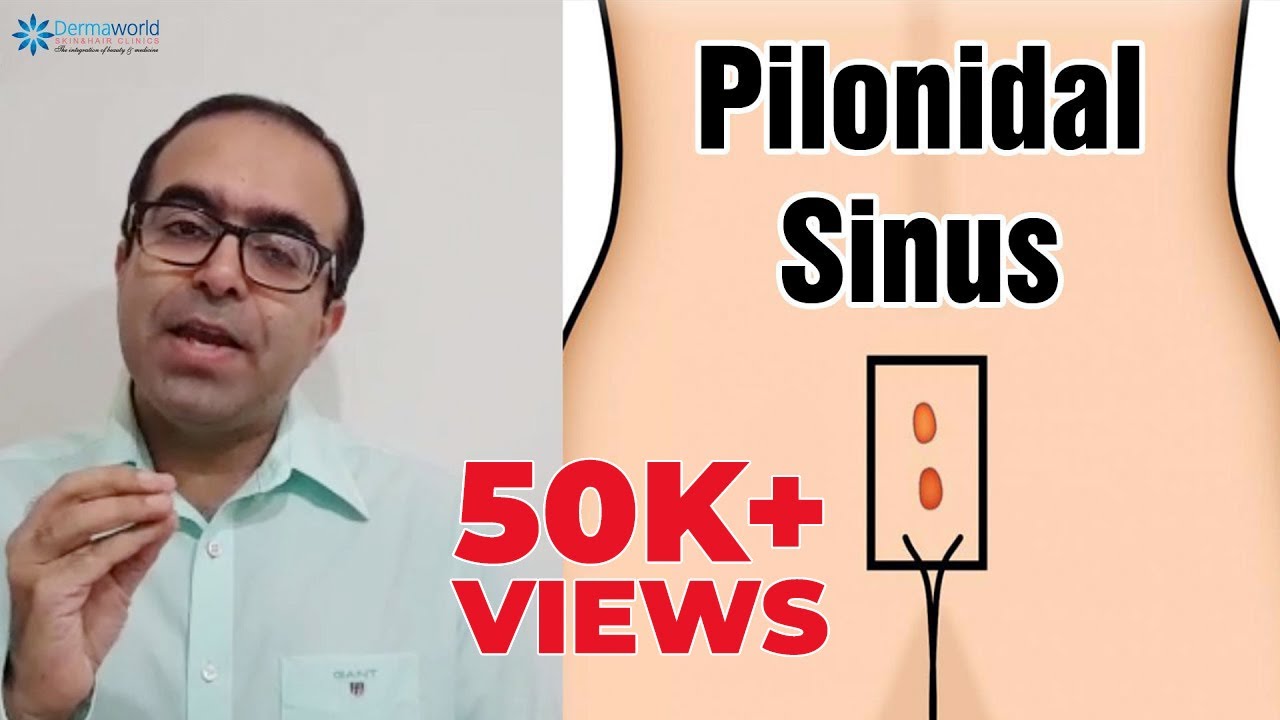
Another type of flap used for the treatment of pilonidal disease includes the Limberg or rhomboid flap. The Limberg flap excises the pilonidal disease in a rhomboid shape and rotates a fasciocutaneous flap for wound closure. Treatment can be divided into two broad categories - nonoperative vs. operative, and often there is a combination of the two. Pilonidal disease is largely considered a surgical disease, especially in acute instances with secondary infection and abscess.
Enhancing Healthcare Team Outcomes
Pilonidal cysts can be a one-time (acute) problem or you may have chronic (returning) cysts. If they’re not treated, chronic pilonidal cysts can also lead to abscesses (swollen pockets of infection) and sinus cavities (empty spaces underneath the skin). Following treatment, it’s crucial to adhere to your healthcare provider’s post-operative instructions. This may include wound care, keeping the area clean, and avoiding activities that could irritate the surgical site. Regular follow-up appointments with your healthcare provider are essential to monitor the healing process and address any concerns promptly. Typically one to four treatments of hair removal, cyst curettage, and phenol application into the cyst and tracts can result in complete resolution of the condition.
Phenol injection
Definitive treatment is delayed the majority of the time if there is an acute infection or abscess until after the infection has been addressed. There are many options when it comes to surgical treatment of pilonidal cysts and pilonidal sinuses. The surgical treatment must be individualized to the patient. Lifestyle changes and modifiable risk factors should be addressed and be incorporated into the treatment algorithm.
How can I prevent pilonidal cysts?
Pilonidal Sinus Disease (Pilonidal Cyst) - Dermatology Advisor
Pilonidal Sinus Disease (Pilonidal Cyst).
Posted: Wed, 13 Mar 2019 07:00:00 GMT [source]
A pilonidal cyst is almost always near the tailbone at the top of the buttocks. Once everything has been removed from the cyst, they’ll pack the wound with sterile gauze or close it with stitches, depending on the location. Make sure to follow the wound care instructions from your doctor as you recover. The only way to get rid of a pilonidal cyst is through a minor surgical procedure.
Ingrown hair leaves Eastbourne teenager with fist-sized wound - BBC.com
Ingrown hair leaves Eastbourne teenager with fist-sized wound.
Posted: Wed, 16 Oct 2019 07:00:00 GMT [source]
It typically forms at the top of the buttocks, right between the cleft, which separates the two cheeks. While a pilonidal sinus tract is healing, some measures can be taken at home to be more comfortable and promote healing. A healthcare provider can offer suggestions on how to keep the area clean, such as the choice of soaps and how often to wash the area. A person who is hirsute has more body hair in certain areas, particularly in areas where there is usually little hair. Having a lot of hair in the area between the buttocks may contribute to the development of pilonidal sinus disease.
Follow Mayo Clinic
However, the exact type of surgical technique that’s most effective is still being debated. For this type of treatment, your doctor will first give you a local anesthetic. They will then inject phenol, a chemical compound used as an antiseptic, into the cyst.
While waiting for your treatment, you can try to manage any pain you may feel by using a warm compress on the affected area to soothe your skin. You might also feel less pain when using an inflatable seat or mattress. Very rarely, your provider may order a CT or MRI to look for any sinus cavities (little holes) which may have formed under the surface of your skin. Leaving the surgical site open to close and heal on its own might be preferred for a better chance of healing well. The decision of open vs. closed will depend on a number of reasons, so the surgeon and the person will decide together which option is best.
Pilonidal Cyst Diagnosis
From this cut, the surgeon then pulls the skin over the original sinus area and sews it down. This procedure typically takes place under general anesthesia and is one of the most effective surgical interventions for pilonidal disease. Once they have incised and drained the cyst, a medical professional may sew the open edges together to form a small pouch.

If symptoms do not resolve or if they return, seek medical attention as soon as possible at your primary care physician or with our office. Pilonidal cysts can be irritating and painful, and impact affect interpersonal relationships and social activity. But the good news is that there are effective removal options. Your doctor will provide you with instructions on how to keep your wound clean.
Various types of cancer have been diagnosed as or in conjunction with pilonidal disease. A medical professional will typically treat all forms of pilonidal disease, including pilonidal cysts, through surgery. Pilonidal sinus disease can be a chronic, recurring condition.
It’s important to realize that this won’t heal the sinus tract, but it will give you relief from the infection and discomfort. Your doctor will recommend that you get a follow-up exam, regularly remove hair or shave the site, and pay particular attention to hygiene. Maintaining good hygiene around the area at the base of the spine is important. This helps prevent the development of pilonidal disease, as well as its recurrence if it does occur. Standard excision methods typically remove the affected sinus but do not pull skin folds over the wound area for healing.
If the cyst does not heal after draining or you continue to have problems, a pilonidal cyst surgery may be needed to surgically remove the cyst and surrounding tissue. Lancing may work to remove the initial infection, but pilonidal cysts can be complex, and they frequently return and worsen over time. Pilonidal surgery is a minor procedure typically performed by a colorectal surgeon who removes the cyst and any surrounding infection. While a cystectomy, or cyst removal, is usually effective, there is a high rate of recurrence.
A pilonidal cyst is a round sac of tissue that's filled with air or fluid. This common type of cyst is located in the crease of the buttocks and is usually caused by a skin infection. Pilonidal cysts are a common condition, with more than 70,000 cases reported in the U.S. every year. But many people feel too embarrassed to mention it — even to their healthcare providers. Whether it is an initial or recurring occurence, first-line treatment of acute pilonidal disease with abscess is incision and drainage. This option is successful in 60% of patients with primary disease, with 40% requiring an additional procedure.




No comments:
Post a Comment