Table Of Content

But there are a few things you can do at home to ease pain and discomfort in the meantime. Pilonidal cysts are more common in men and people who sit for long periods of time, such as office workers are truck drivers. You’re also more likely to get one of these cysts if you have thick, stiff body hair. Most people can resume their regular activities within a month of surgery. You’ll likely have a follow-up appointment with your doctor about 6 weeks after your procedure. The follow-up appointments depend on whether the wound packing materials need to be changed or if sutures need to be removed.
How Long Do Pilonidal Cysts Last?
Excision and primary closure or healing by secondary intention, including marsupialization, are primary therapy options for chronic pilonidal disease with sinuses. Although primary closure has been shown to have faster healing and less time off work than healing by secondary intention, recurrence rates are slightly higher. Flap-based approaches (e.g., rhomboid, Limberg, Karydakis, cleft-lift) can be used for patients with complex or recurrent disease who require a wide excision.
Back Acne (‘Bacne’): Why Pimples Pop Up and How to Prevent and Get Rid of Them
Signs and symptoms include cysts or sinus with drainage, subcutaneous tracts, or abscesses. The American Society of Colon and Rectal Surgeons (ASCRS) has released a clinical practice guideline to provide physicians with diagnosis and treatment options. An incision and drainage procedure is successful at treating a pilonidal cyst about 60 percent of the time.
Pictures of a pilonidal sinus infection
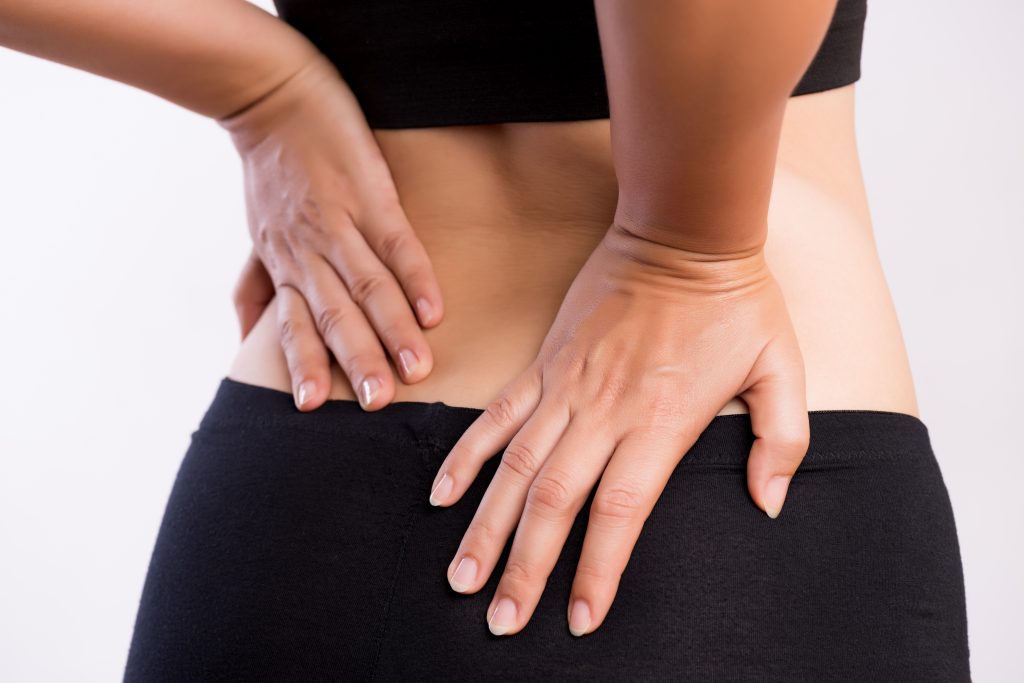
Weigh the pros and cons of treatment with your healthcare provider. A common treatment method for pilonidal cysts and abscesses is incision and drainage. In this procedure, a doctor will remove any hair or hair follicles from the cyst and drain any fluid. Pilonidal disease is a reaction to hair in the gluteal cleft, in which unattached hairs injure or pierce the skin, resulting in a foreign body reaction. The condition, which has an annual incidence of about 70,000, can lead to midline pits or secondary infection.
Can a pilonidal cyst be prevented or avoided?
If you suspect you have a pilonidal cyst or are experiencing symptoms such as pain, swelling, or drainage, it’s essential to seek medical evaluation promptly. Delaying treatment can lead to the progression of the cyst and may increase the likelihood of complications. A healthcare professional can assess the severity of the cyst, provide appropriate treatment options, and offer guidance on managing symptoms at home. In patients with confirmed pilonidal disease without an abscess, hair removal from the gluteal cleft via shaving or laser epilation is a key treatment. The optimal frequency of shaving is unclear, but the ASCRS recommends at least weekly. It should be noted that a local anesthetic and more than one treatment session may be needed when opting for laser epilation.
Pilonidal cysts can sometimes be cured with surgery and your skin might heal fully. However, even after surgery, a pilonidal cyst can remain as a chronic, returning condition. This is true especially if the condition has gotten worse or if pilonidal cysts run in your family. If you've had pilonidal cysts in the past, you might want to regularly shave the affected area or use hair removal products to reduce the risk of a new cyst. Pilonidal cysts can vary in size and may develop into painful abscesses or chronic infections if left untreated.
Ranchi Sadar Hospital uses laser for the first time to treat Pilonidal Sinus - Lagatar News (Lagatar24.com)
Ranchi Sadar Hospital uses laser for the first time to treat Pilonidal Sinus.
Posted: Fri, 03 Dec 2021 08:00:00 GMT [source]
Another level of treatment for a cyst would be to open it and drain it. Local anesthetic is used to manage pain, and a small incision is made at the site of the cyst. Antibiotics might be used in some cases after a procedure to open up the cyst. Pain might be treated with over-the-counter (OTC) remedies or the application of warm heat. Hair removal might be recommended by a healthcare provider.
Treatment / Management
If a sinus does form, there may be a need for surgery to remove it. When a pilonidal sinus becomes infected it can turn into an abscess or cyst. It can cause severe pain and may ooze pus and blood and have a strong odor.
What to know about pilonidal cysts?
To understand whether a pilonidal cyst can go away on its own, it’s essential to grasp what a pilonidal cyst is first. A pilonidal cyst is a pocket or sac filled with hair and skin debris that forms at the top of the buttocks, near the tailbone. This condition occurs when hair follicles become blocked, leading to the accumulation of hair, dirt, and other debris beneath the skin’s surface. First, try to avoid sitting for long periods of time, which places pressure on the area where pilonidal cysts develop. If you’re job requires you to sit for most of the day, try to set aside a few minutes every hour to stand up and take a quick walk. People may want to choose razors with narrow heads, such as those marketed for removing hair from the bikini line.
You can share your personal story, read the experiences of others, or drop by the patient forum to ask a question or get tips. People who are overweight may also find that weight loss reduces the risk of cysts developing or recurring. Generally, the outlook for anyone with a pilonidal cyst is excellent, with a complete cure being possible. After you check in on the day of your procedure, you'll be taken to a room to change and have a brief exam. You will review your medical history with a nurse, answer questions about the last time you ate or drank, and have your vitals checked. Pilonidal cysts are less common in people over the age of 40.
The outlook for a person with pilonidal cysts is usually positive. Surgical treatment generally allows a person to return to their day-to-day life with little impediment. In this article, we detail the causes and symptoms of pilonidal cysts and explain what a person can do to treat and prevent them. It is very important to keep the wound clean and dry until the skin is fully healed. Your healthcare provider will give you instructions on how to care for the wound, including changing the packing and dressing, and bathing. Pat the area dry after showers, but avoid taking baths until the wound is healed over.
Don't assume that your entire surgical team knows what medications you are taking. Repeat it to them on the day of your procedure so they are aware of what you have been on and how much time has passed since you last took it. Don't forget to bring your insurance documents, identification, and any additional paperwork your surgeon requires on the day of the procedure.
After the abscess drains of pus, which may happen if it erupts on its own or with medical treatment, many patients develop a pilonidal sinus. The sinus is a cavity below the skin that connects to the surface through your pores. Because pilonidal cysts develop near the buttocks, they can cause shame and embarrassment. Remember that healthcare providers see these types of conditions all the time.
Unfortunately, pilonidal cysts can come back after surgery. During World War II, these cysts were so common among GIs driving Jeeps that pilonidal disease was referred to as "Jeep seat." If you need surgery, you and a healthcare professional can discuss the pros and cons of the different options. An incision and drainage procedure is typically easier and can be performed in a doctor’s office. But the risk of recurrence is higher than it is for a surgical cyst removal. Pilonidal disease is a relatively common and benign disease process where surgery is usually the definitive treatment.
This would be done with a local anesthetic, meaning that the area around the cyst is numbed with an injection. The cyst can then be opened with an incision and drained of any fluid it contains. If your cyst has no symptoms and isn’t bothering you, nothing will likely need to be done. However, if your cyst becomes infected, your doctor will likely want to release it.



No comments:
Post a Comment